Sewer Camera Inspection in Los Angeles, CA
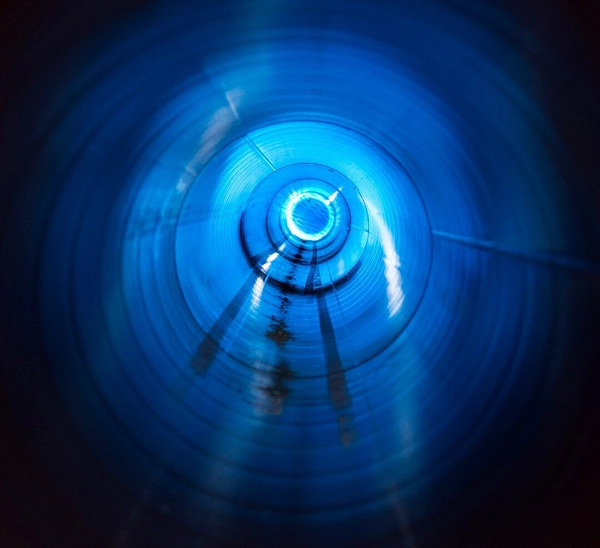
A camera inspection delivers visual evidence — so cleaning, repair, or replacement decisions are based on facts, not guesswork.
When to call for sewer camera inspection
Common signs we see on residential and commercial properties:
What the camera is actually looking for
An inspection is not a general look around. It is checking for a specific set of conditions, each of which implies a different fix.
Root intrusion shows as fine growth entering at a joint, and where roots are, there is already a separation letting moisture out. Cracks and fractures appear as clean lines across the pipe wall; offsets show as a step where one section no longer meets the next squarely, and that lip is what catches debris. Corrosion in cast iron reads as a rough, flaking surface, often with the bottom of the pipe channelled away entirely.
The condition that surprises people most is a belly. There is no visible damage at all — just standing water sitting in a section that should run clear. That is a slope problem, and no amount of cleaning corrects it.
Why footage changes the conversation about cost
Two very different problems produce identical symptoms at the fixture. A single cracked joint eight feet from the cleanout and a lateral that has lost grade across thirty feet both present as recurring backups.
They cost very different amounts to fix, and without footage the only honest answer to “what will this cost” is a range wide enough to be useless. The inspection converts that into a located, measured fault.
It also rules repair out. Some lines that look structural are heavy buildup, and clear properly with sewer cleaning or hydro jetting — which is a much smaller job than sewer repair.
Buying a property with an unknown sewer line
A standard home inspection does not include the sewer lateral. It is buried, it is expensive to repair, and on older housing stock it is one of the more likely large costs a buyer inherits.
A camera inspection before closing establishes the line’s condition while there is still room to negotiate. Finding root intrusion or a failed section a week before closing is a very different situation from finding it eight months after.
What access the inspection needs
The camera enters through a cleanout. Where one exists and is accessible, the inspection is straightforward. Where there is no usable cleanout, one generally has to be established first, and that is worth knowing before scheduling rather than on the day.
Lines are also easier to read when they are not full of standing water or debris. Where a line is badly blocked, clearing enough to get a usable picture may come first — which is why cleaning and inspection are often discussed together rather than as separate decisions.
What we see in Los Angeles laterals
Vitrified clay laid in short jointed sections is common in the older housing stock here, and its joints are the predictable failure point. Cast iron appears more often inside the building, where it corrodes and narrows from within.
Mature street trees supply the rest. A lateral crossing a parkway runs through the root zone of a tree that has had decades to find it, and roots reliably locate the moisture at a separated joint. On hillside lots, long runs and grade changes make both belly formation and excavation cost more likely to matter.
Sewer Camera Inspection FAQ
Do I need an inspection if the drain is only slow?
Not always. A single slow fixture is usually a branch-line problem that cleaning resolves. An inspection earns its place when more than one fixture is affected, or when the same line has been cleared before and slowed again.
Should I get one before buying a house?
On older housing stock it is worth it. The sewer lateral is not covered by a standard home inspection, it is one of the more expensive things to repair, and knowing its condition before closing is worth considerably more than knowing after.
Can you tell exactly where the problem is?
Yes — locating the camera head is a normal part of the inspection, so a fault can be marked at the surface. That matters, because it determines how much has to be opened if excavation turns out to be necessary.
Does a camera inspection fix anything?
No. It is a diagnostic. Its value is that everything after it — clean, repair, reline or replace — is chosen on evidence rather than on a guess about what is happening underground.
How soon can someone come out?
We are available 24 hours a day, Monday through Sunday. Call (323) 303-0060 and we will tell you honestly when we can be there.
Our process
Ready for sewer camera inspection?
Call now or request service — we serve LA & the San Fernando Valley.